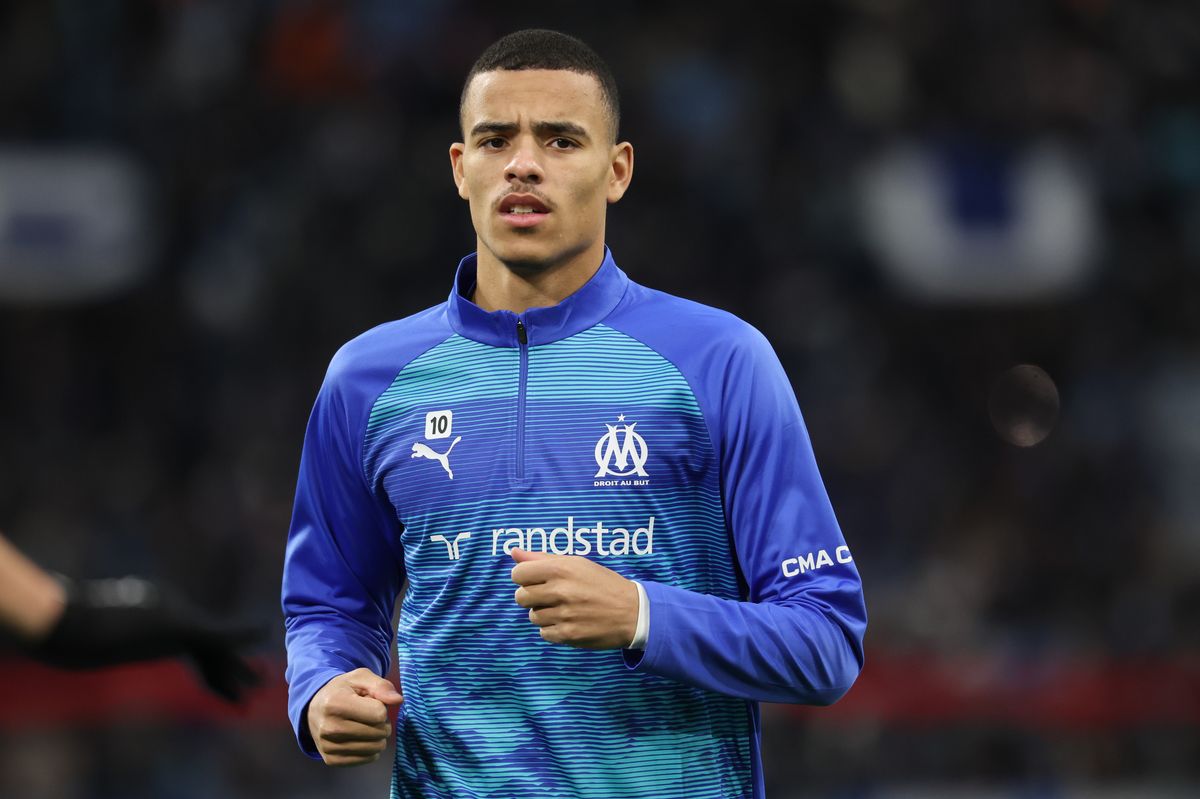
Pablo Longoria has revealed an extraordinary step in Marseille’s decision to sign Mason Greenwood: he phoned his mother — a decorated former Spanish prison official — to get a non‑sporting read on the controversial forward before giving the green light. The anecdote has reignited a wider conversation about whether elite clubs should recruit players with fraught pasts, even when legal matters have been settled and on‑field value is clear.
What Longoria said
Longoria told reporters he wanted an outside perspective and rang his mother, who worked in the Spanish prison system and was “recognised with the medal of the state.” Her response was blunt and decisive: “DO IT!” The Marseille president said her view — coming from someone with legal and social experience rather than a sporting lens — helped finalise the transfer. Longoria framed the move as transparent and pragmatic, arguing that “creating taboos in life is never positive” and describing Greenwood’s arrival as a “massive market opportunity from a sporting perspective” after careful internal review.
Background on Greenwood
Mason Greenwood’s off‑field saga began with his arrest in January 2022 on serious allegations that were later discontinued in February 2023 after key witnesses withdrew and the Crown Prosecution Service declined to pursue charges. He left Manchester United without returning to the first team, spent a season on loan at Getafe, and then joined Marseille in 2024, where he has since been a prolific scorer, drawing both praise for his goals and scrutiny for his past.
Why the anecdote matters
Longoria’s decision to consult his mother reframes the transfer as more than a commercial calculation. By seeking counsel from someone outside football with experience in the penal system, he signalled an attempt to weigh moral, social and legal dimensions alongside sporting metrics. The story also crystallises the tension at the heart of modern recruitment: legal closure and on‑field performance versus reputational and ethical responsibility.
Reactions and implications to watch
• Club reputation and sponsorship: Sponsors and fan groups often react strongly to off‑field controversies; Marseille’s handling will be watched closely for any commercial fallout.
• Sporting governance: The case raises questions about how clubs balance legal outcomes, public opinion and safeguarding standards when making signings.
• On‑field calculus: Greenwood’s goals and form will be the clearest barometer of whether sporting arguments can outweigh reputational concerns.
Risks, limitations and what comes next
The situation remains fragile. Renewed scrutiny — whether from new allegations, investigative reporting or legal developments — could rapidly alter the narrative. Public sentiment is unpredictable; protests or sponsor pressure could affect finances and dressing‑room dynamics. The key items to monitor are official club statements, sponsor positions, Greenwood’s performances on the pitch and any fresh legal or media developments that might shift public opinion.
Longoria’s phone call to his mother has become more than a quirky anecdote — it is a flashpoint in a broader debate about accountability, redemption and the price clubs are willing to pay for talent.































Comments
Sign in with Google to comment, reply, and like comments.
Continue with Google